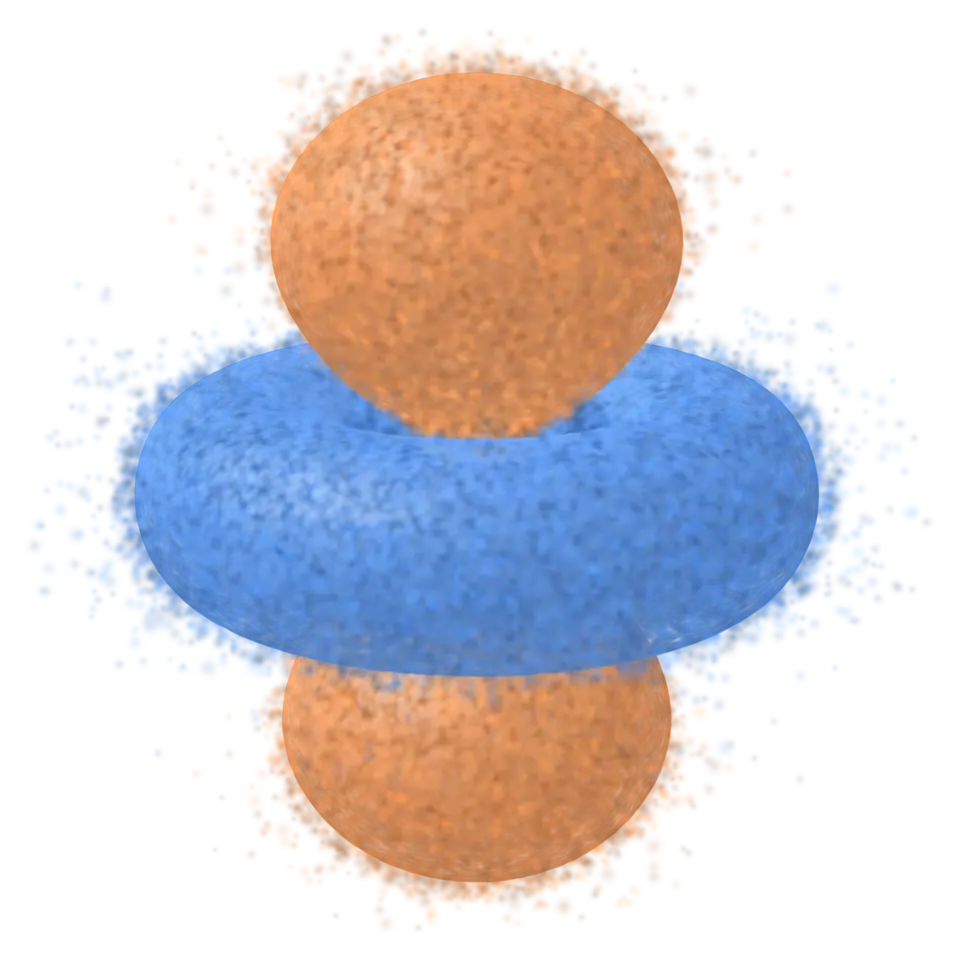
Fig. 111. §7 Atoms
Electron Orbital
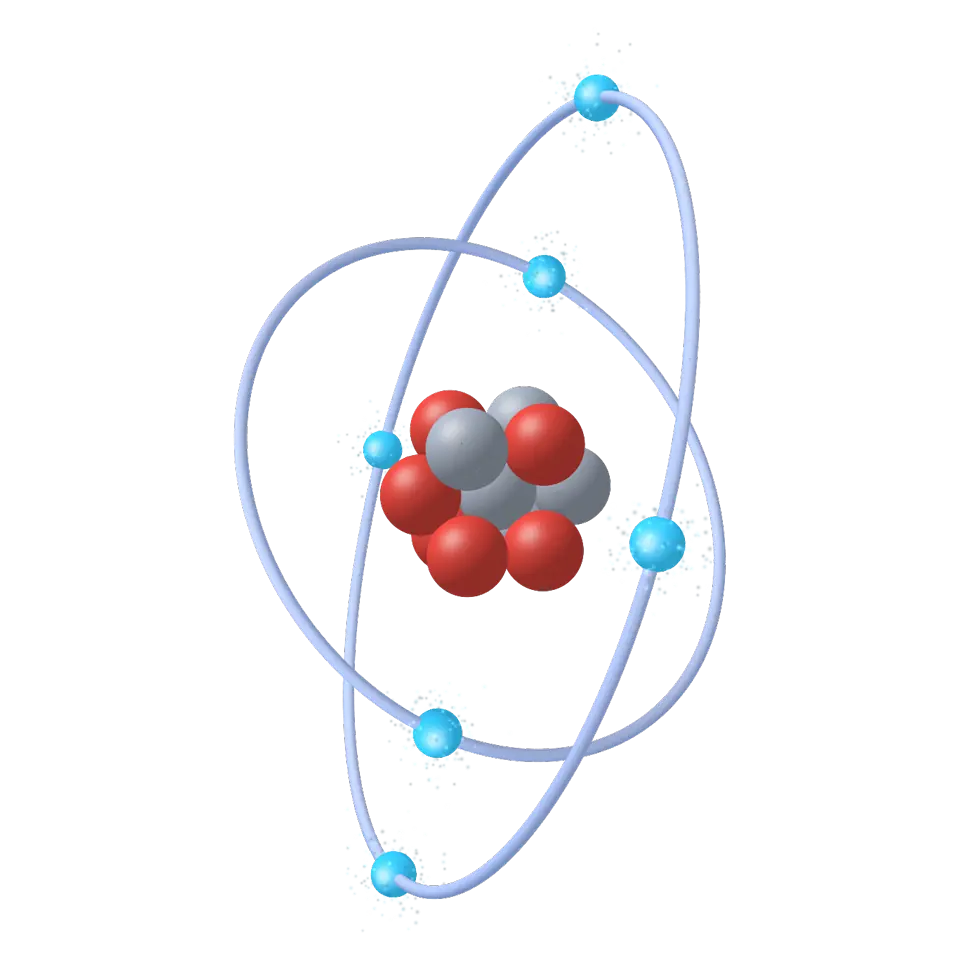
An electron does not circle the center of an atom like a planet.
1Facts
- Shelf
- Atoms
- Kind
- Built from a recipe
- Sound
- Yes
- Licenses
- CC0
2How to play
Tap it to excite the electron. Pick any orbital up to 4f, or lobes, in the Splash tab.
3Its controls
Table I. Every control on this Splash.
| Control | Kind | Range | Start |
|---|---|---|---|
| Excite the electron | Tap | ||
| Excite | Button | ||
| Orbital | List | 30 choices | 3d (z²) |
| Look | List | 2 choices | Cloud |
| Plus phase | Color | #ff8a3d | |
| Minus phase | Color | #3d8bff |
4About it
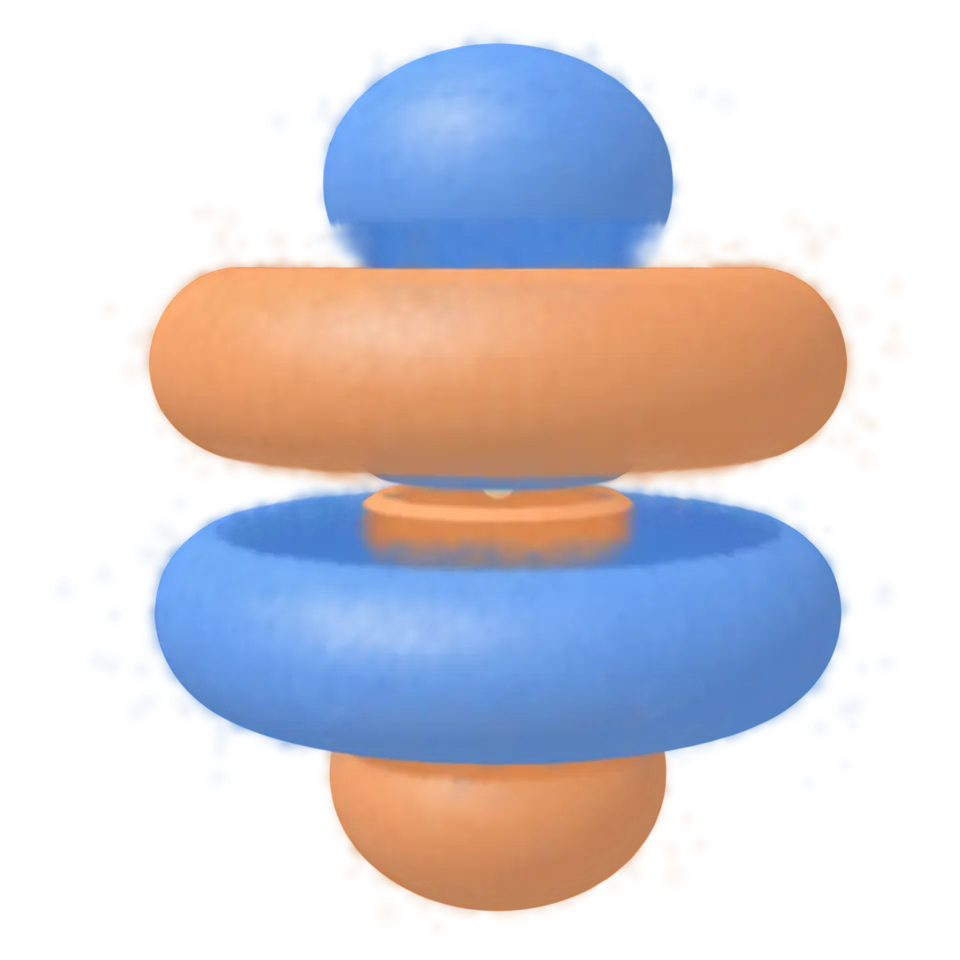
An electron does not circle the center of an atom like a planet. It spreads out as a cloud, called an orbital, that shows where it is most likely to be found. Orbitals come in set shapes: a ball, a dumbbell, a dumbbell with a ring, and more. The two colors show where the electron's wave is plus and where it is minus, not electric charge.
Pick an orbital from 1s to 4f, as a cloud or as lobes, in the Splash tab. Tap it and a tiny packet of light, a photon, comes in. The electron takes it in, jumps up to a bigger orbital and glows, then drops back with a flash and gives the light out again. This is how glowing gases give off light of their own colors.
5Details
- Splats
- Opens at 200,000 at Mid Detail, 60,000 at Low, and up to 880,000 at Max
6Sources and credits
| Work | By | License |
|---|---|---|
| highvoltagearc.wav (neuron-arc.mp3) | Sclolex | CC0 1.0 |